Gracie
Before the UFC was a billion-dollar business. Before every strip mall had a jiu-jitsu gym. Before the suburban moms, the tech bros, the off-duty cops, the retirees, and the eight-year-olds in their tiny gis were all choking each other on padded floors —
There was a family called Gracie.
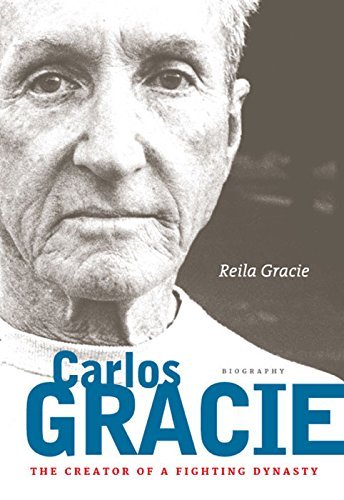
Carlos Gracie: The Creator of a Fighting Dynasty
by Reila Gracie
With the participation of Reila & Renzo Gracie
The Gracies aren't just teaching people how to fight. They're teaching a worldview. Their worldview.
That doctrine, and a directive to multiply the bloodline, transformed a Brazilian family of Scottish immigrants into the most influential dynasty in combat-sports history. The ripple effects are everywhere.
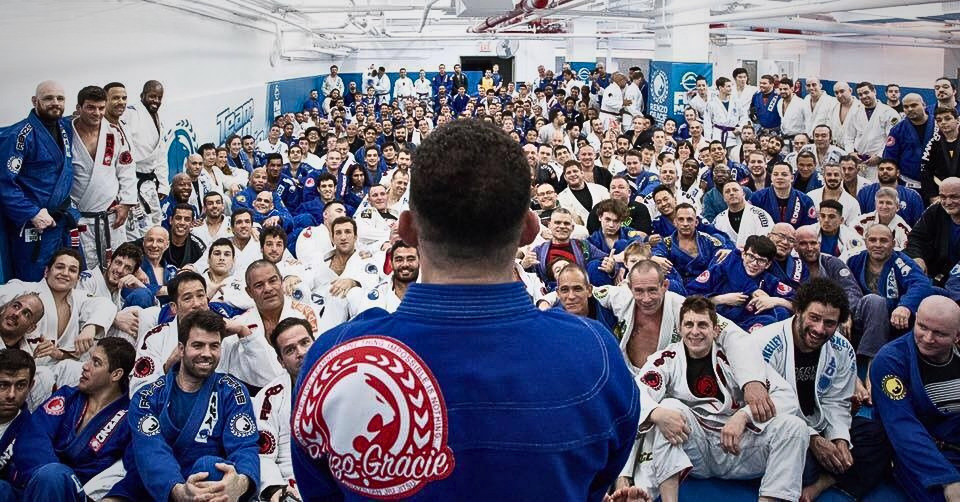
Gracie: The Series, follows the second generation of the Gracie family from the late 1970s through the birth of the UFC and today. The show is the true story of an American expansion fueled by ambition, resentment, reinvention, and a decades-long fight over who had the right to define the family legacy.
Character Engine
Every Gracie inherits the same impossible choice: protect the doctrine, protect the family, or protect yourself. The moment you choose one, you endanger the other two. No one can protect all three at once.
Story Engine
Every success creates the next conflict. New champions create new claimants. Marriages create alliances. Children create succession crises. Students become rivals. As the family expands from a small martial arts clan into a global empire, private decisions trigger public consequences that reverberate across generations.
The core conflict
The conflict - the contradictory realities that keep trying to co-exist - always come down to the choice between:
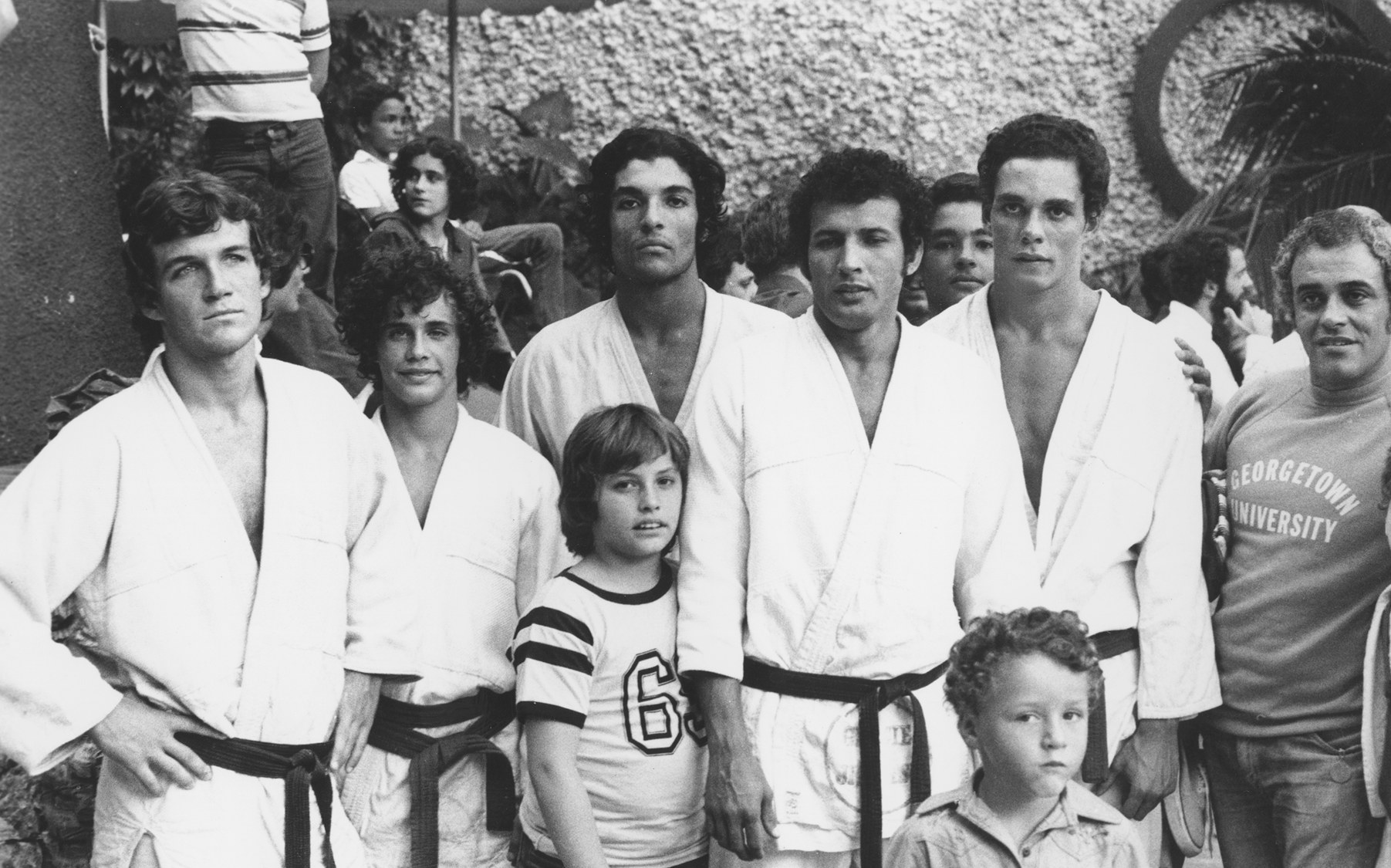
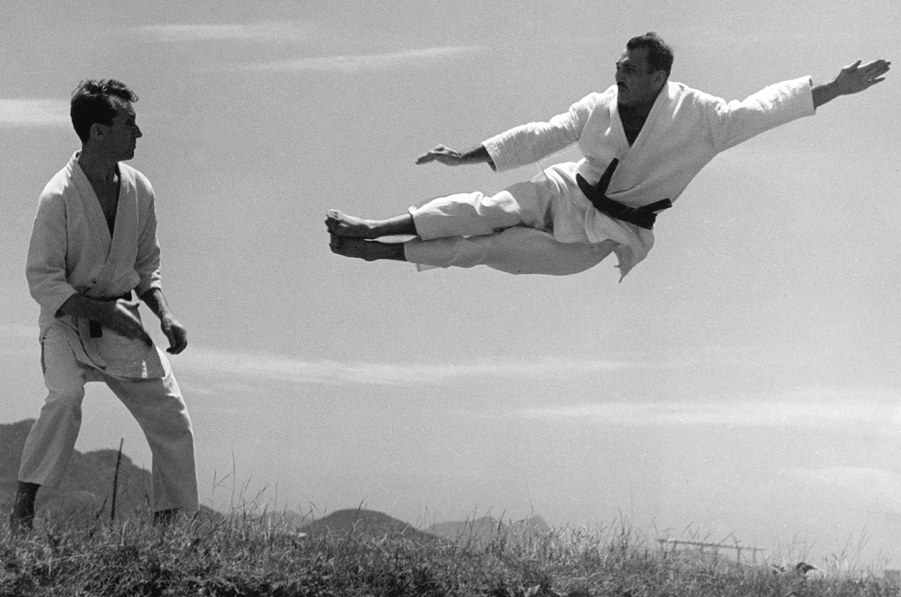
Two brothers. One art. A divide that waited fifty years.
Carlos built the doctrine — philosophy, diet, discipline, branding, mythology, social order. Hélio proved it worked in combat. The question of who was the true founder didn't matter. Until it did.
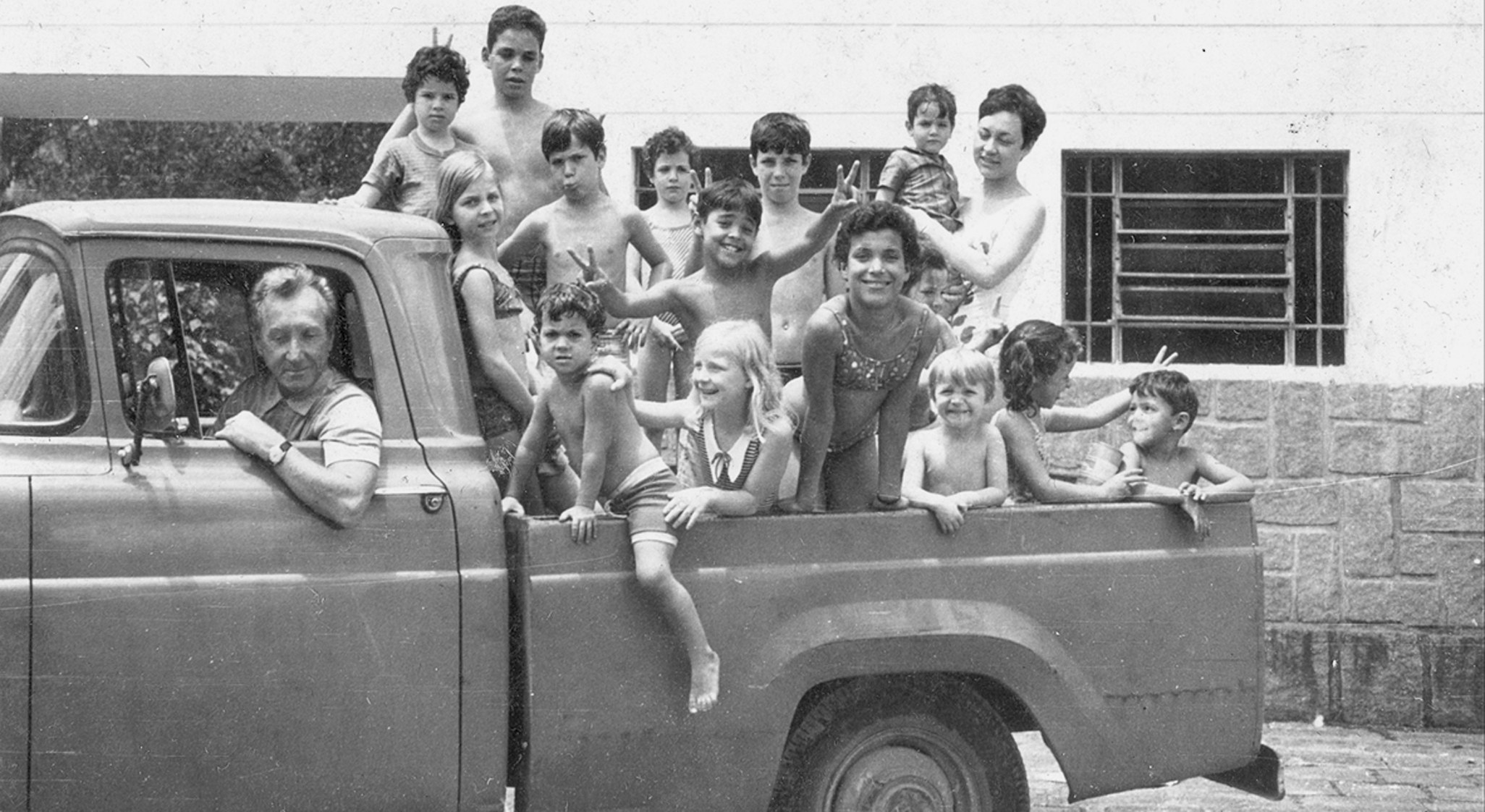
30 Children between Carlos and Hélio.
The future of the dynasty would revolve around just two of them: Rolls and Rórion. Raised together. Bound together. And ultimately separated by fate.
Family Tree ↗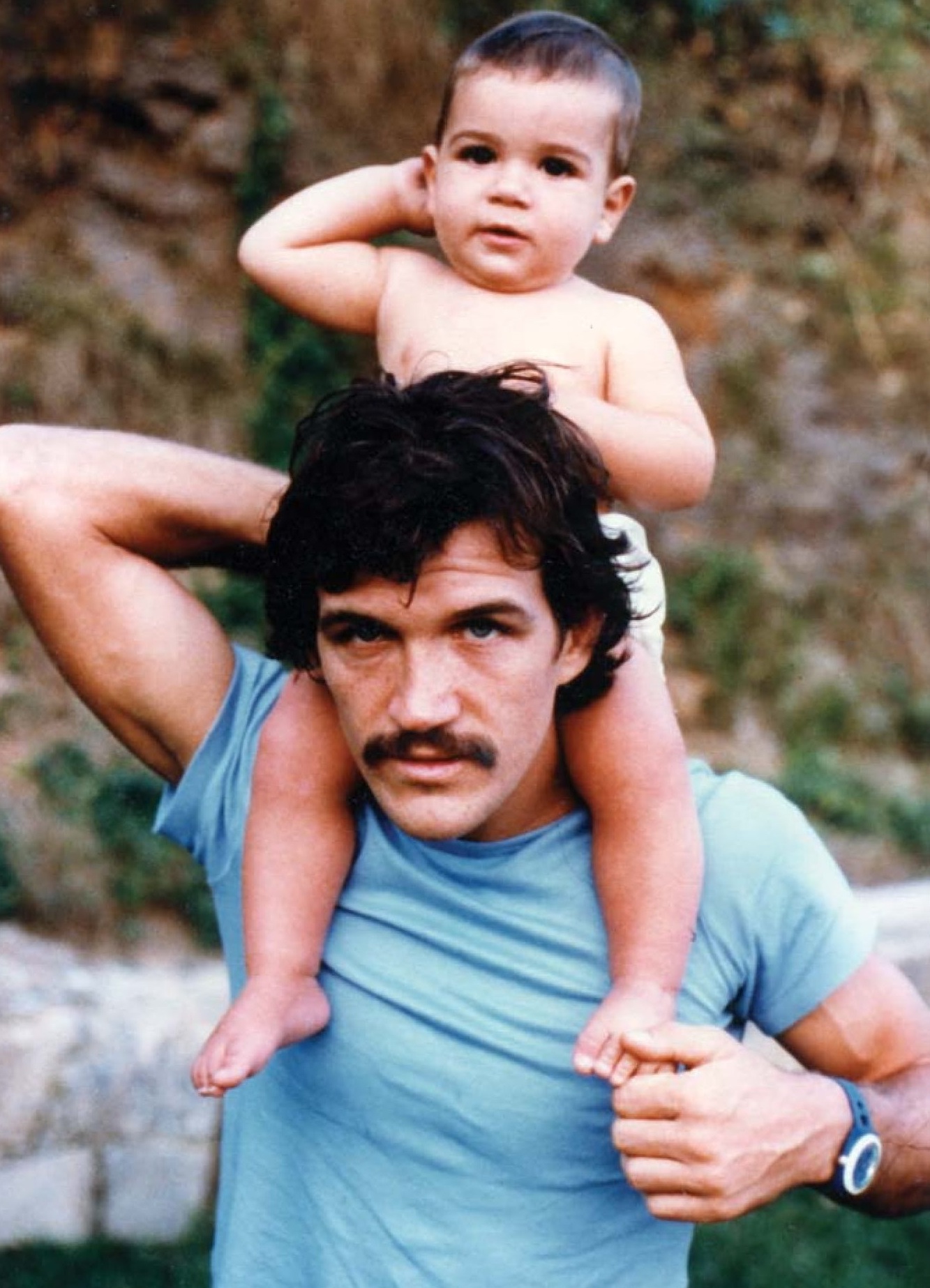
Rolls
Lean, charismatic, blue-eyed. Carlos's son. Hélio's son. Depending on who was asking, both. He moved effortlessly between branches of a family that spent most of its time competing with itself.
Born to a seamstress, registered under another woman's name, handed to Hélio as an infant, and by twenty, the most gifted fighter the family had ever produced. No opponent ever passed his guard across an entire competitive career. He didn't just refine the family's technique: he cross-trained in sambo, Greco-Roman wrestling, and freestyle, taking jiu-jitsu somewhere the dynasty hadn't imagined.
Fearless surfer at twelve. Teaching at fourteen. Visiting every museum in Italy at seventeen and learning the language. He knew New York better than most New Yorkers, spoke English without an accent, and went nightclubbing without drinking. He mediated feuds between cousins who would have destroyed each other without him. He knocked down a bathroom door and saved Relson's life.
He was the reason everyone in the family believed in the same future, and the reason that belief collapsed when he died. Rolls was thirty-one. He had promised never to fly again. He had sold his glider. At breakfast in Mauá on a Sunday morning, he heard a young man on the phone arranging to fly. The hang-glider used to be his. Ângela was furious. He went anyway.
Rórion
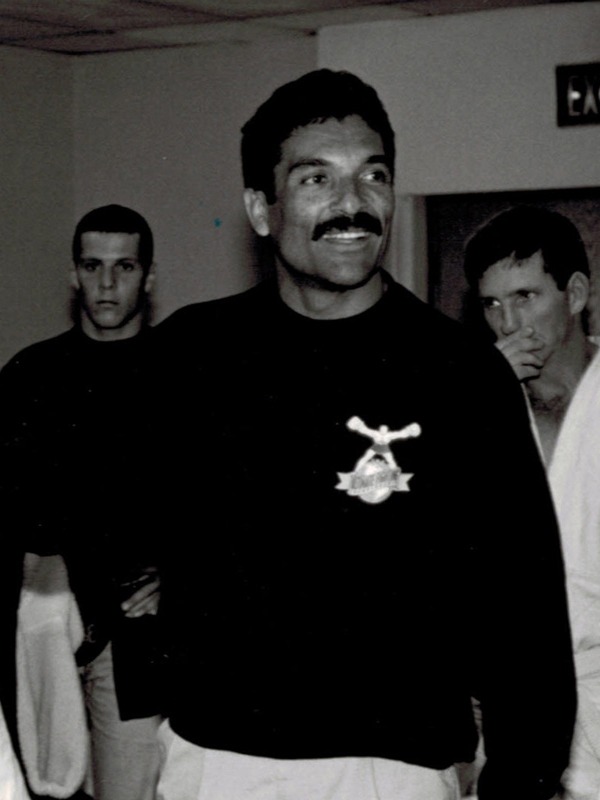
More cautious, more shrewd, more articulate: an intellectual mentor who set things up where Rolls prevailed in everything practical. Born famous in Brazil, where the name opened every door. In Los Angeles, at twenty-seven, nobody had heard of him. He started from scratch with nothing but, in his own words, his self-confidence.
Rórion grew up beside Rolls in Hélio's household, ten months younger, raised as the anointed heir, publicly favored by Hélio even as Rolls beat him consistently on the mat. He completed a law degree he never used and a marriage to his cousin that ended. In 1978, at twenty-seven, he left for Los Angeles permanently, worked as a film extra on Hart to Hart and Fantasy Island for a decade, cleaned houses, flipped hamburgers, and laid out mats in his Torrance garage at night.
A production assistant on Lethal Weapon saw him fight and got him hired to choreograph the action and teach Mel Gibson and Gary Busey. He trained Renée Russo, Chuck Norris, and enough Hollywood names that Playboy called him the toughest man in the United States. Art Davie read the article. That chain of events produced the UFC.
In 1989, before opening the Torrance academy, Rórion quietly filed a U.S. trademark on “Gracie Jiu-Jitsu,” in his name alone. The academy was funded by Hélio selling his own apartment. He shipped the family archive (decades of photographs and press clippings) from Brazil to California. He chose Royce for the UFC instead of Rickson. When the trademark case went to federal court, he lost. By then it barely mattered: the term was “Brazilian jiu-jitsu” now, and nobody owned it.
While Rolls modernized the doctrine in Brazil, Rórion quietly built something in California no one back home understood yet. For a time, geography solved the problem no one was ready to name.
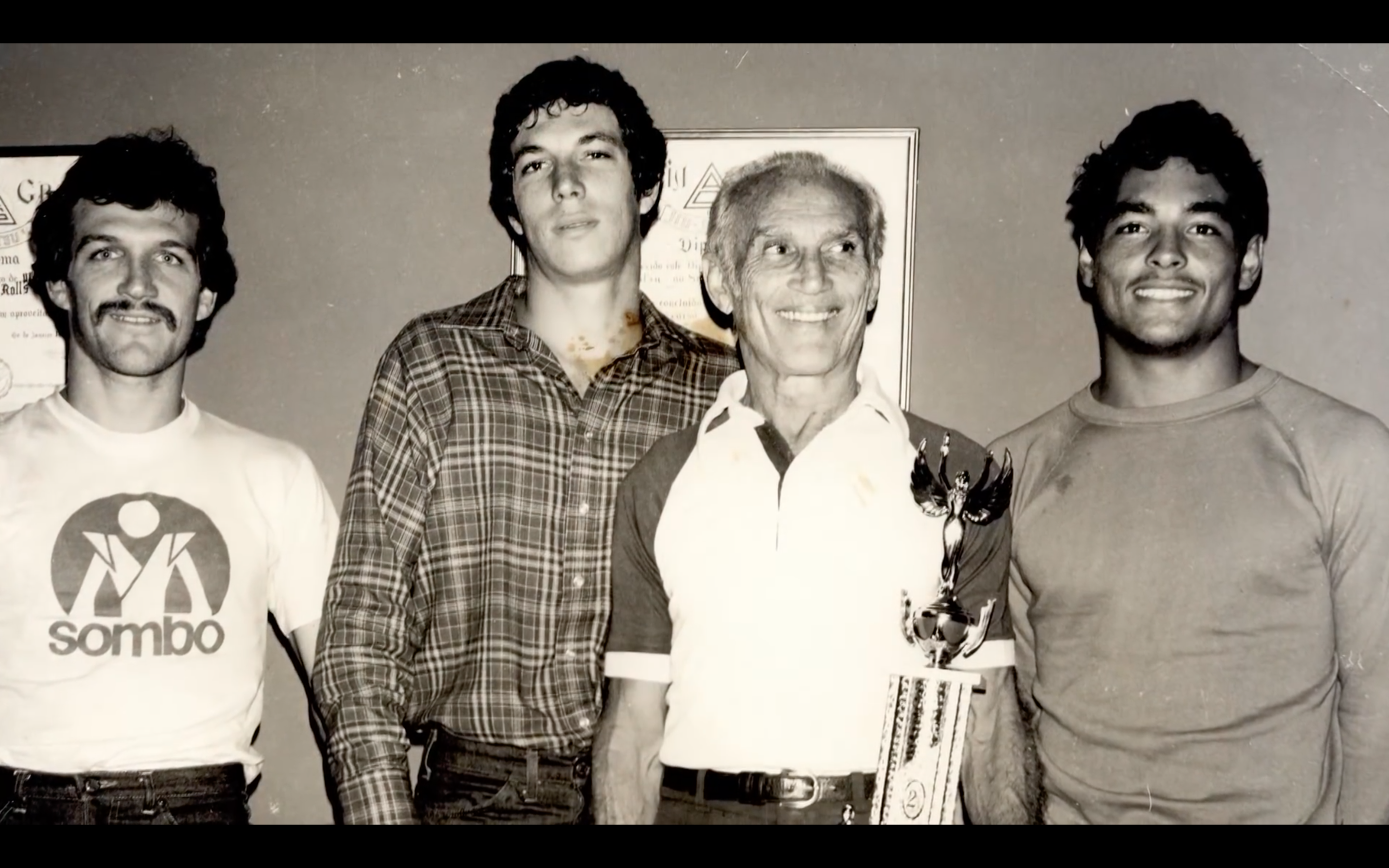
Only one of them will make it to Denver.
The other will not.
But his absence will.
“Now the sun is gone, the little stars will be able to shine.”
Ângela Gracie · 1982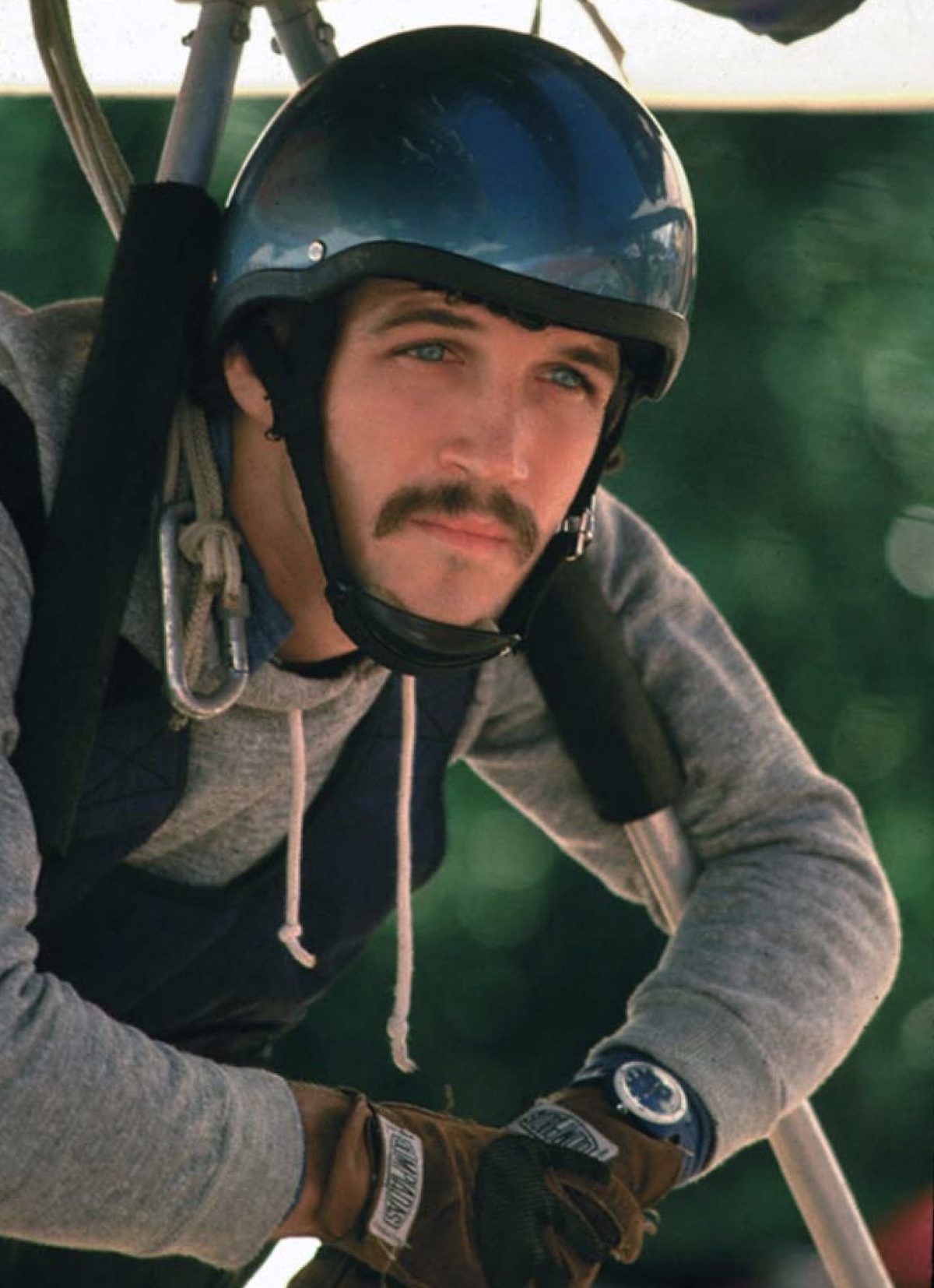
June 6, 1982. A hang-gliding accident. He was thirty-one. His old glider, the one he'd promised never to fly again.
After Rolls's death, Rórion never looked back.
“There is the before-Rolls era and the after-Rolls era.”
Royler GracieWhat followed was a decade of relentless construction: posting flyers, dirty mats, challenge fights, Hollywood celebrities, and hustle. As Rórion's vision drew closer, Hélio had been occupying the vacuum left by Rolls and quietly redrafting the family's founding myth, marginalizing Carlos, and repositioning himself as the true origin of Gracie Jiu-Jitsu.
UFC 1
In 1993, Rórión raised $150,000 from his students, partnered with John Milius and Art Davie, and launched The Ultimate Fighting Championship: a cage in a Denver arena inspired by the Gracie challenge matches of decades earlier.
The event helped define the pay-per-view era. But Rórión’s most important decision happened before the first fight began. Like Carlos before him, he understood the power of a good story.
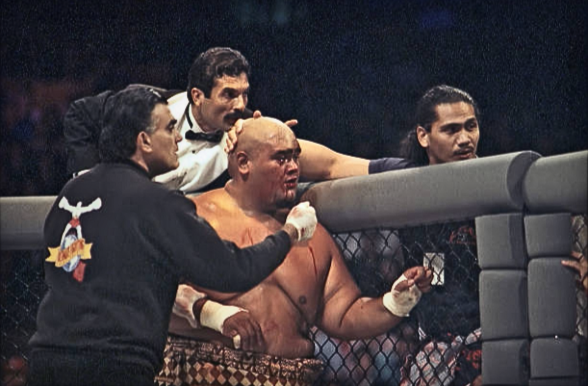
Rather than enter Rickson Gracie, the family’s most feared fighter, he chose his younger brother Royce. Thin, soft-spoken, and unknown to most of the audience, Royce looked like the last person who should survive a tournament against boxers, wrestlers, and kickboxers.
Then he beat all of them. No fight lasted longer than three minutes.
Gracie v. Gracie
Denver announced Gracie Jiu-Jitsu's arrival on the world stage in 1993. But success only opened new fronts. Without informing the rest of the family, Rórion quietly trademarked Gracie Jiu-Jitsu, positioning himself to control the name, the schools, and the money attached to them. His cousins fought back, launching a legal war that eventually reached federal court in a real Gracie v. Gracie case.
At the same time, politicians were trying to kill the UFC altogether. Senator John McCain led a campaign to ban the sport across the country. State athletic commissions followed. The American Medical Association joined the fight. Pay-per-view carriers dropped broadcasts. For the first time, the Gracies weren't fighting boxers, wrestlers, or karate champions. They were fighting regulators, politicians, doctors, television executives, and each other.
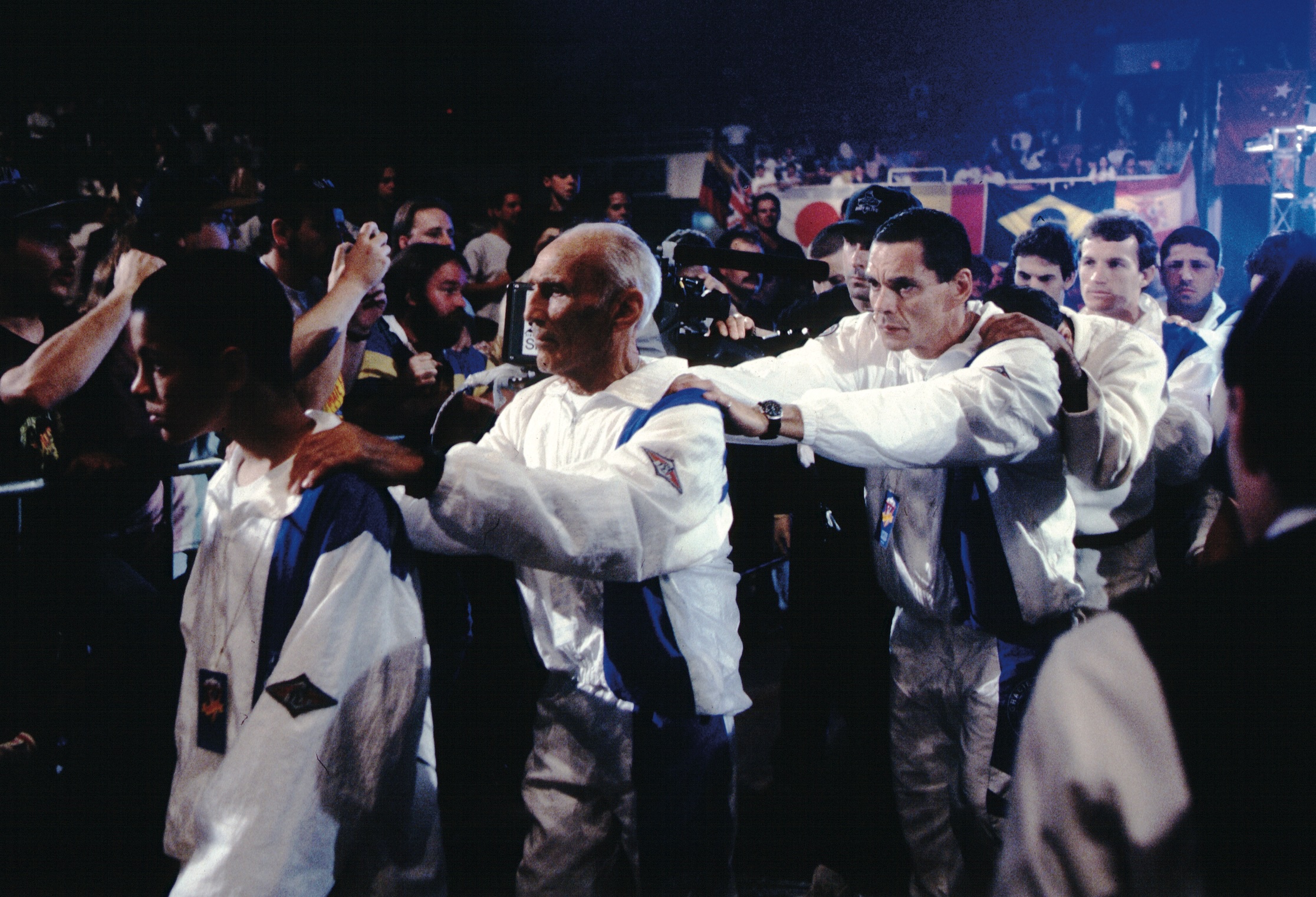
In the end, no single Gracie could claim ownership of the family legacy. The courts rejected exclusive control of the name, but Renzo Gracie had already made the question irrelevant. While the family fought over who owned Gracie Jiu-Jitsu, Renzo popularized a different name altogether: Brazilian jiu-jitsu. The phrase spread across academies, tournaments, magazines, and eventually the world, transforming a family trademark into a global movement.
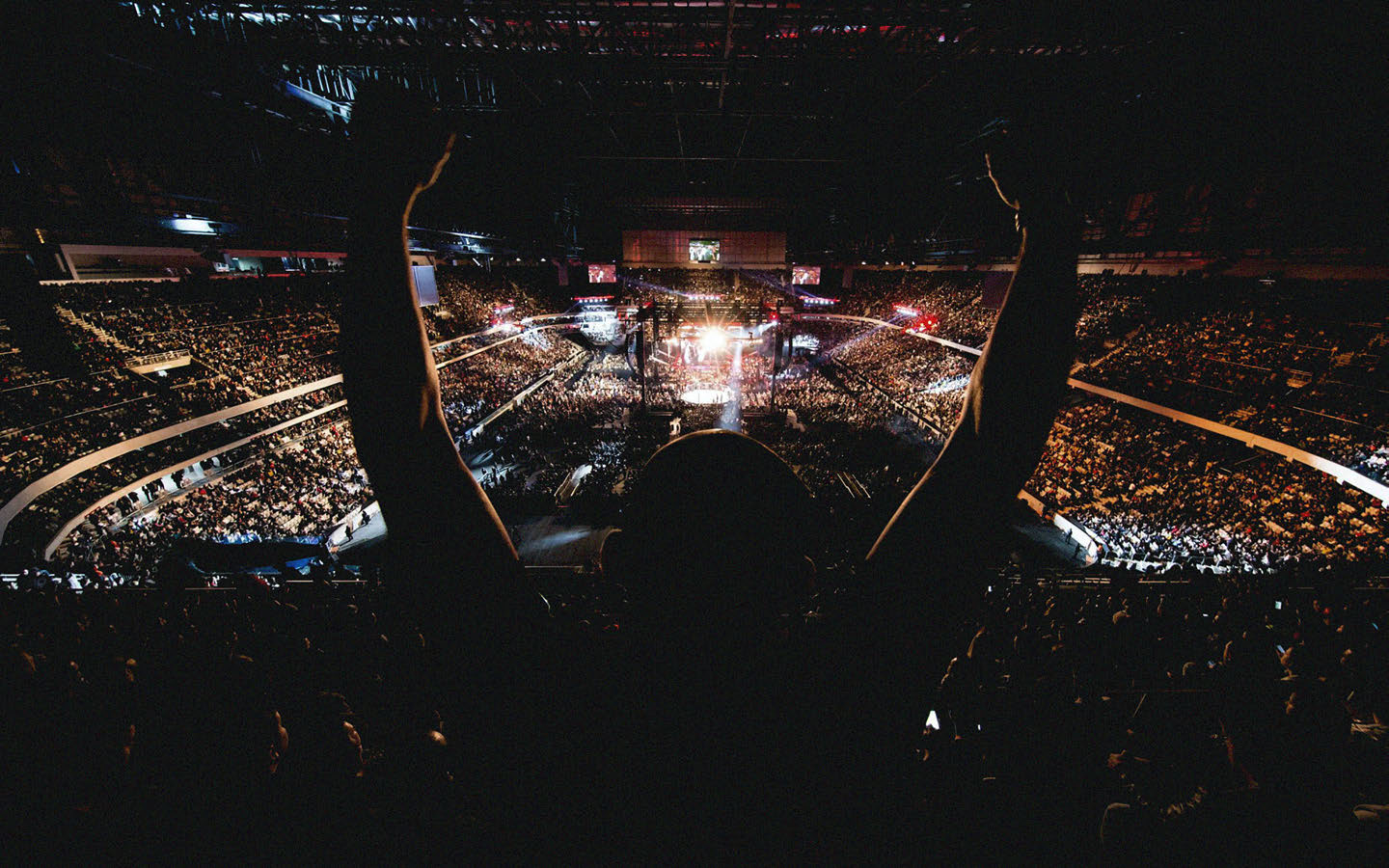
The UFC sold for $4 billion in 2016. In 2023, it was valued at $12 billion.
No Gracie owns any part of it.
The women in this story are not peripheral to it.
They are what made it possible.
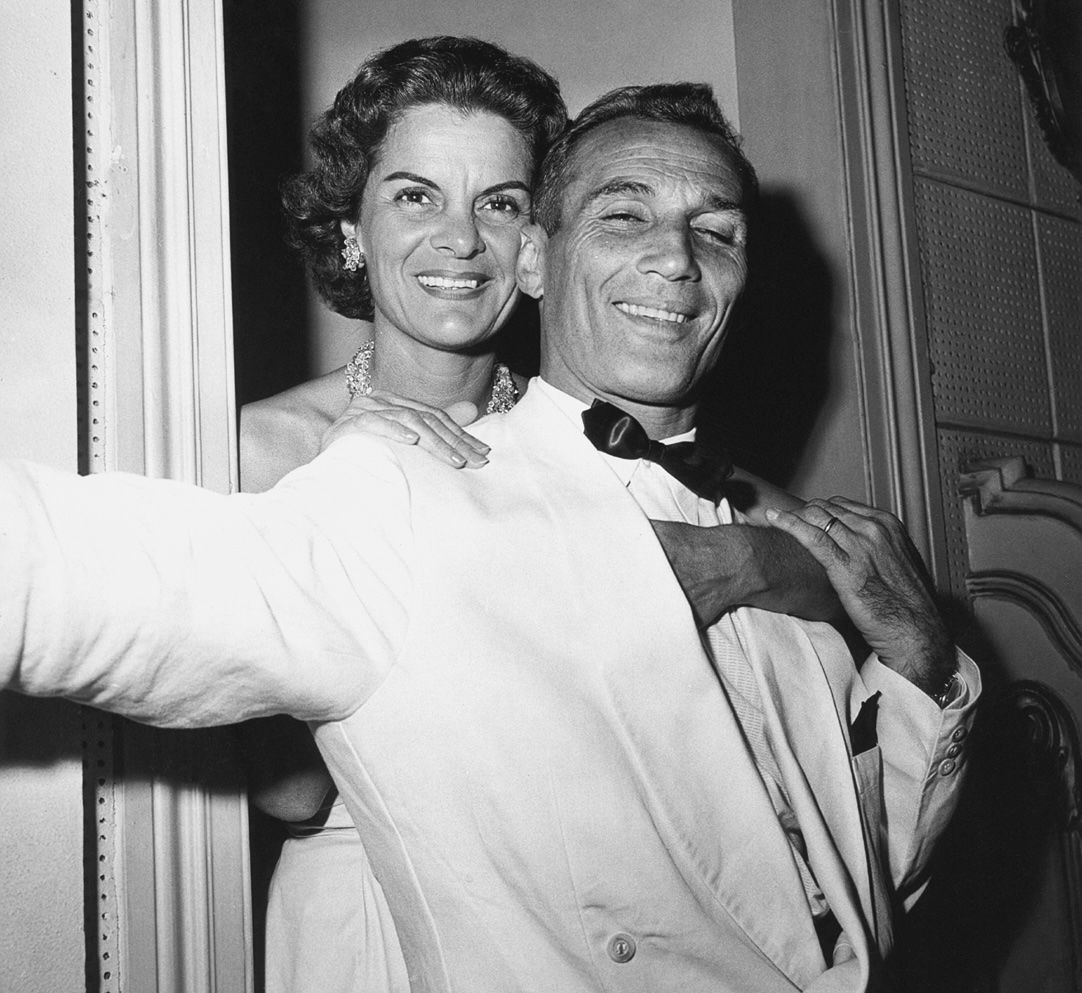
Mothers, lovers, sisters, daughters.
Just as complicated, clever, and complicit as the men. They hold the secrets and the weaknesses. They understand dominance, systemic control, and superior technique. Everything is jiu-jitsu.
Audiences love dynasties.
Families built on loyalty, mythology, inheritance, power, and control — where love and manipulation become indistinguishable. Fighting. Cheating. Buried parentage. Strategic marriages. Lawsuits. Psychological warfare.
This series is made with the people who lived it.
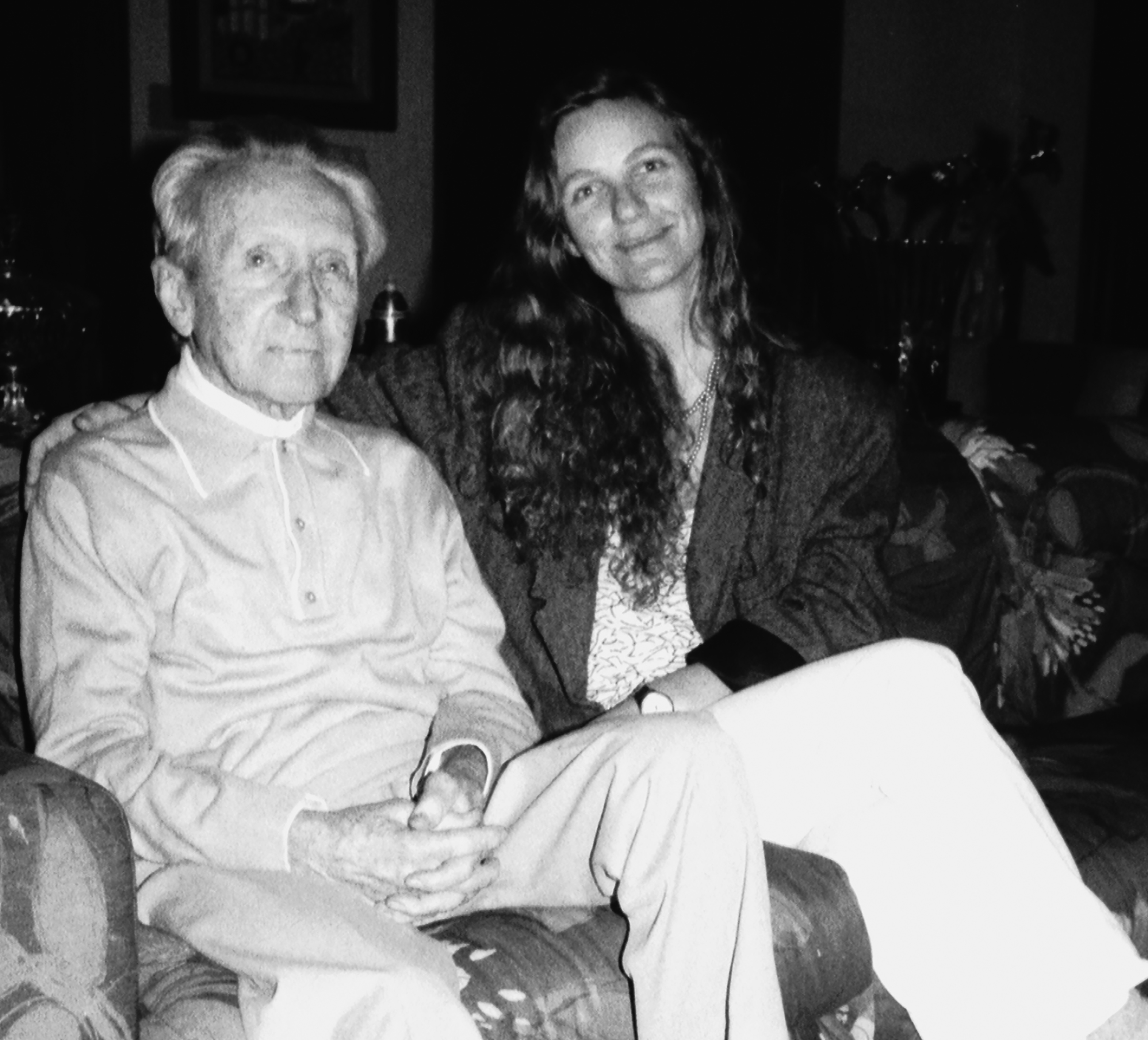
Carlos Gracie's daughter and the author of the authorized biography Carlos Gracie: The Creator of a Fighting Dynasty, almost nine years of research, 143 interviews, primary sources no one else has access to. She is a full participant in this project.
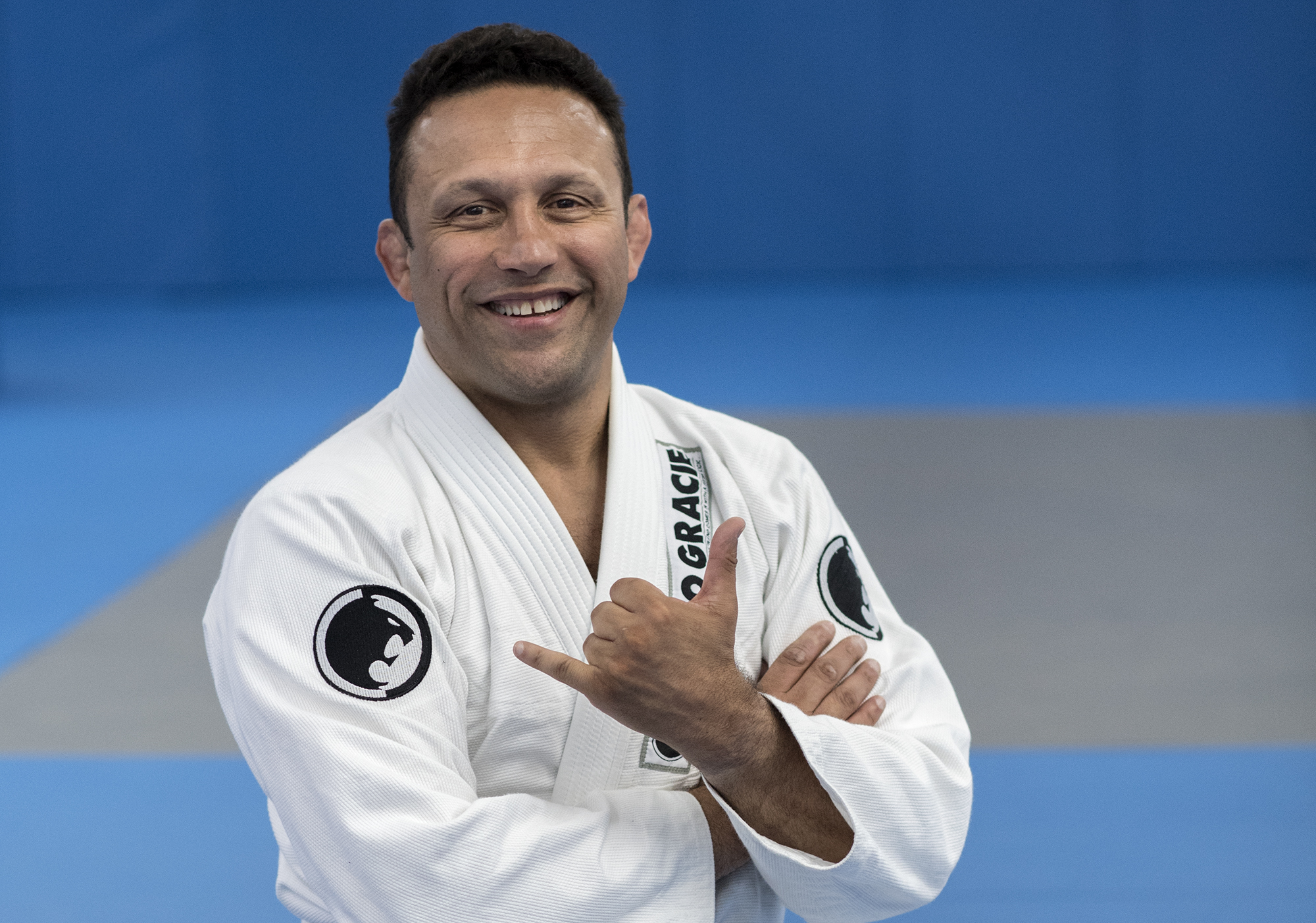
Champion fighter, coach, and one of the most respected figures in the Gracie lineage. Renzo represents the generation that carried the family name into the modern era, and knows where the bodies are buried. He is a full participant in this project.
Everything
is jiu-jitsu.
A Fighting Dynasty LLC · All Rights Reserved ©2026